Comparing Buckhead North East Homes in Richmond Hill
June 4, 2026
June 4, 2026
Trying to choose between Buckhead North and Buckhead East in Richmond Hill? You are not alone. These two communities share the same broader Lowcountry setting, but the day-to-day experience can feel very different depending on what matters most to you. If you are weighing home style, neighborhood rhythm, amenities, and convenience, this guide will help you sort through the differences with more clarity. Let’s dive in.
Before you compare the two neighborhoods, it helps to look at the bigger Richmond Hill picture. The city has more than 17,000 residents and sits about 12 miles south of Savannah, with a coastal setting known for outdoor recreation, fishing, and a small-town feel.
That setting shapes how many buyers experience everyday life here. Richmond Hill is less about dense, walkable urban living and more about neighborhoods, green space, and time spent outdoors. In most cases, your decision between Buckhead North and Buckhead East will come down to atmosphere, home type, and routine rather than access to a downtown core.
J. F. Gregory Recreational Park and Fort McAllister State Park help define that lifestyle. J. F. Gregory Recreational Park spans 335 acres and includes walking and bike trails, canoeing, fishing, birding, and a playground. Fort McAllister State Park covers 1,725 acres on the Ogeechee River and offers boating, camping, hiking, fishing, cabins, and a boat ramp.
South Bryan recreation adds even more to the area’s appeal. DeVaul Henderson Park includes walking trails, tennis courts, turf fields, a gym, baseball and softball facilities, and a bark park. That broader recreation network benefits residents in both Buckhead North and Buckhead East.
Buckhead North is the more established of the two communities. According to the HOA, it was established in 2005 and grew into a neighborhood of about 1,000 homes.
The feel here leans calm, shaded, and residential. The neighborhood is described with towering oaks, magnolias, pines, winding streets, shaded pathways, and screened porches, which creates a setting that feels rooted in landscape and privacy.
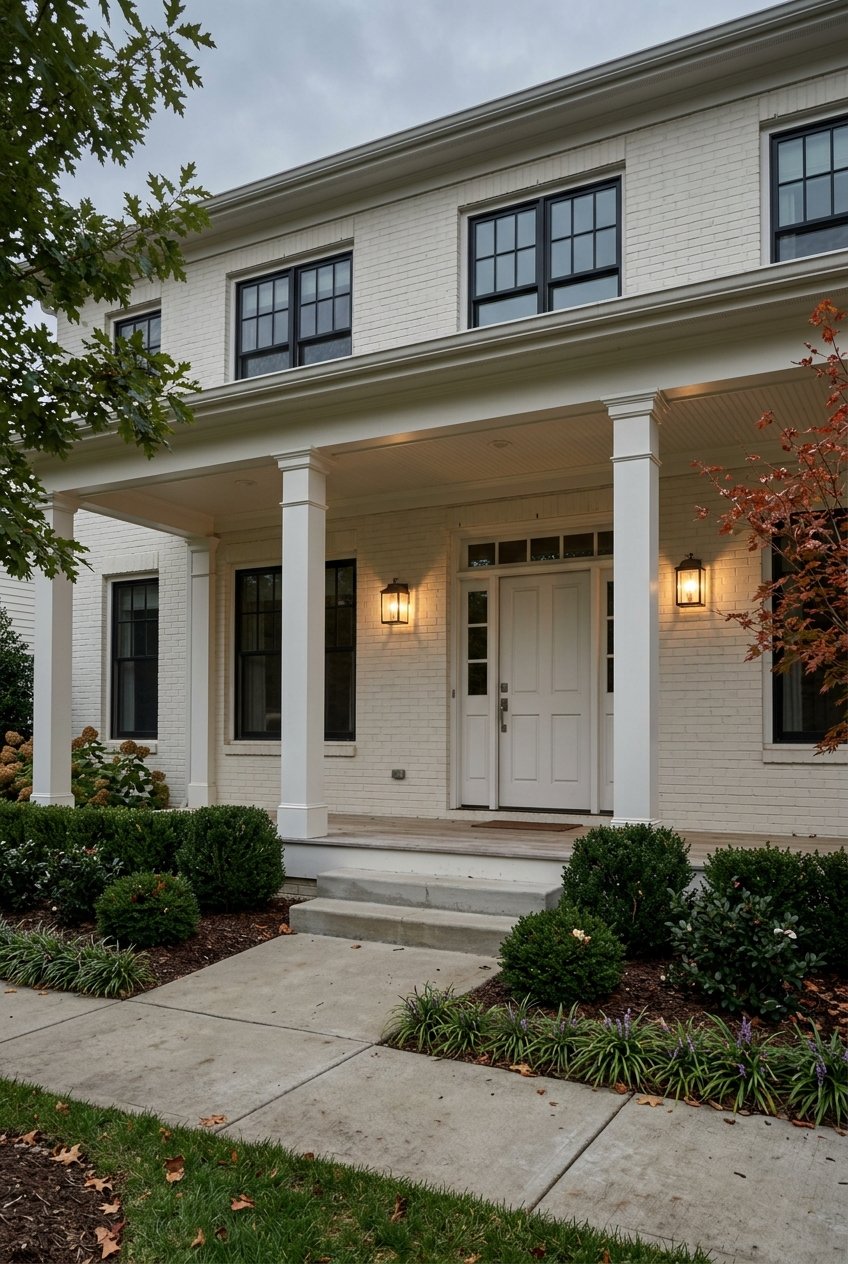
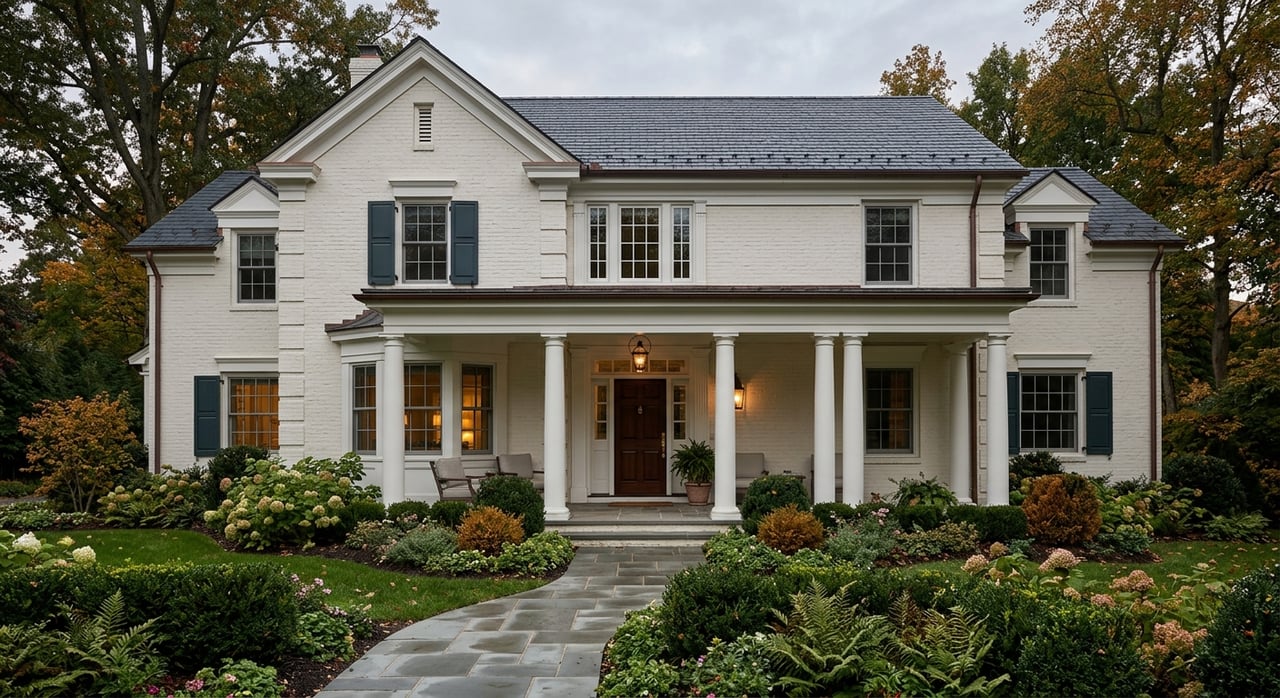
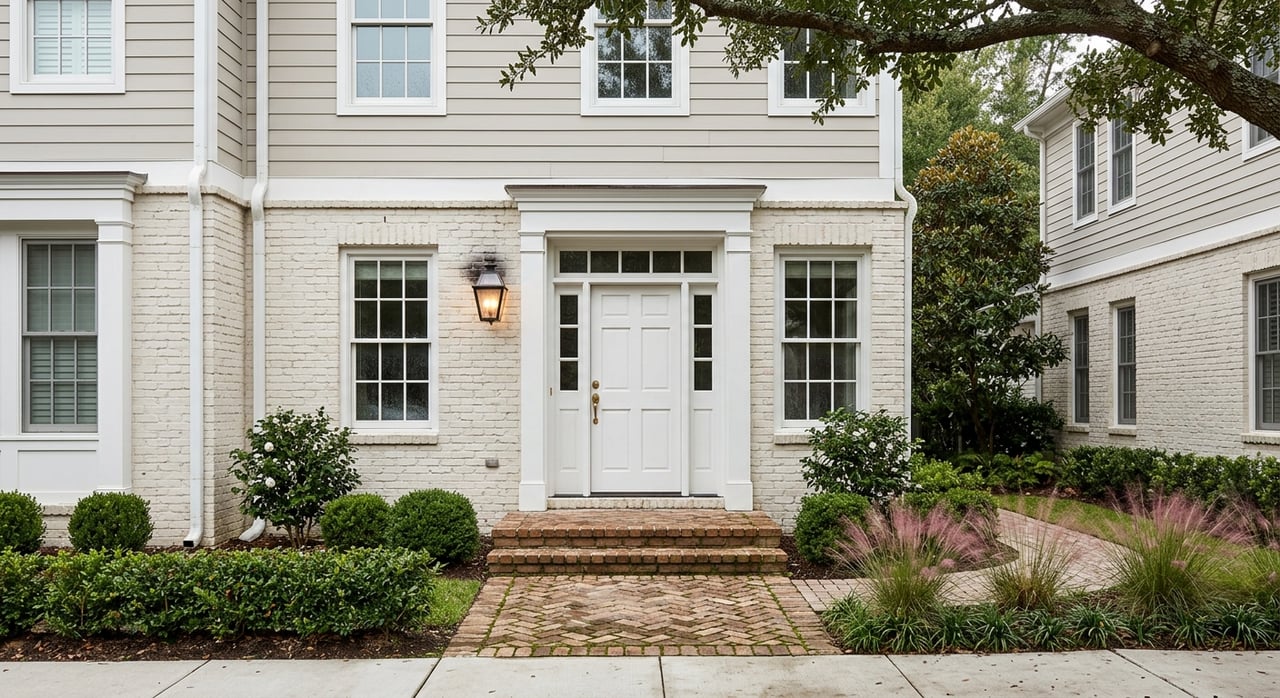
Home design is one of Buckhead North’s strongest defining features. The HOA describes the architecture as primarily Acadian and French Country, with some Southern Georgian and Provincial influence. It also emphasizes that the developer avoided cookie-cutter plans, which supports a more custom and cohesive look throughout the community.
If you are drawn to larger detached homes and a more settled visual character, Buckhead North may stand out quickly. Current listing examples in the research point to executive-style properties with features like larger lots, pond views, and multi-car garages.
Buckhead East offers a different kind of appeal. The POA describes it as a vibrant, diverse community just outside Richmond Hill’s city limits, with many households that include children of all ages.
This neighborhood is especially known for its amenities and organized community life. Residents have access to a zero-entry pool, lap pool, pavilions, grills, a large playground, community ponds, a fishing dock, and walking and bike trails.
The social side is also more visible here. The POA highlights events and activities such as yard sales, Easter egg hunts, BBQs, food trucks, movies at the pool, and parades. If you want a neighborhood where the calendar itself helps create connection, Buckhead East has a strong advantage.
Home choice is also broader in Buckhead East. The community includes single-family homes in Brookhaven and Castle Oak, plus townhomes and smaller single-family homes along Lake Lily Drive. Research from NewHomeSource notes plans ranging from about 1,675 to more than 4,200 square feet, with one- and two-story options and layouts that may include flex rooms, offices, or bonus spaces.
When buyers compare these two neighborhoods, home style often becomes the tie-breaker. Even though both are in the same Richmond Hill area, they tend to offer different visual impressions and different uses of space.
Buckhead North generally reads as more architectural and more established. The emphasis is on larger detached homes, mature landscaping, and an upscale residential look that feels polished without being overly uniform.
You may prefer Buckhead North if you appreciate classic exterior design and a more custom-home feel. The neighborhood’s architectural consistency, paired with large lots and mature trees, can create a sense of privacy and permanence.
Buckhead East gives you more variety. If you want to compare different sizes, floor plans, and housing types within one community, this side may offer more flexibility.
That can be especially helpful if your needs are practical first. Whether you want extra room for a home office, bonus room, or a layout that supports changing household needs, the wider range of plans can open up more options.
One of the clearest ways to separate these neighborhoods is to picture your normal week. Think about school mornings, afternoons outside, weekends, and how often you want neighborhood amenities to be part of your routine.
Buckhead North tends to support a quieter residential rhythm. The neighborhood includes amenities such as a clubhouse and pool area used for gatherings, and research also notes access to tennis courts and playgrounds in listing examples.
Its appeal is less about a packed activity calendar and more about atmosphere. If your ideal setting includes mature trees, larger homes, and a day-to-day pace that feels a little more tucked away, Buckhead North may feel like a better fit.
The community is also positioned close to Fort McAllister Marina and the Ogeechee River. For buyers who value water access and coastal outdoor recreation, that may be an important lifestyle point.
Buckhead East is more built around active neighborhood use. Pools, playgrounds, trails, ponds, and social events are central to the experience rather than secondary features.
Its walking and bike trails connect to DeVaul Henderson Park, which adds another layer of convenience for sports, exercise, and outdoor time. That connection can make the neighborhood feel especially functional for busy weekly routines.
The POA also says families can walk children to nearby McAllister Elementary. For some buyers, that kind of proximity matters just as much as the home itself because it can simplify drop-offs and after-school schedules.
Because both communities sit in the same Richmond Hill and Savannah orbit, commute differences are usually not dramatic. In many cases, the more useful question is not, “Which one is closer to everything?” but, “Which one puts my priorities closer to me?”
Buckhead East is especially well positioned for buyers who want day-to-day convenience tied to school and recreation. The neighborhood is also described as only minutes from Fort McAllister State Park, Fort McAllister Marina, downtown Richmond Hill, and the Ford Plantation.
Buckhead North leans more toward a private, residential setting with a strong connection to natural surroundings. If your version of convenience looks like a quieter street, larger lot, and easier access to river and marina recreation, North may feel more aligned.
If you are still deciding, a simple side-by-side framework can help.
Priority | Buckhead North | Buckhead East |
|---|---|---|
Overall feel | Established and quieter | Active and convenience-driven |
Home character | More architectural and custom-feeling | More variety in home types and plans |
Landscape | Mature trees and shaded streets | Amenity-focused with trails and common spaces |
Amenities | Clubhouse, pool, and a more settled setting | Pools, playground, pavilions, fishing dock, trails |
Social scene | More understated | More organized events and neighborhood activity |
Best fit for | Buyers seeking privacy, larger homes, and a calmer pace | Buyers seeking amenities, variety, and easy everyday logistics |
Neither option is universally better. The best choice depends on whether you are looking for a more refined, established neighborhood experience or a more active, connected, and convenience-oriented one.
If possible, visit both communities with your real routine in mind. Drive through in the morning and late afternoon. Notice the streetscape, how the entrances feel, and whether you are drawn more to Buckhead North’s mature, architectural setting or Buckhead East’s active, amenity-rich layout.
It also helps to make a short list before touring:
When you view homes through that lens, the right fit usually becomes much easier to spot.
If you are planning a move in Richmond Hill, local guidance can make a big difference, especially when two neighborhoods look similar at first glance but live very differently day to day. For thoughtful, place-based help comparing communities and finding the right Lowcountry fit, connect with Rebecca Palmer Realty.
Stay up to date on the latest real estate trends.
Rebecca Palmer offers the value of southern charm, dependability, trustworthiness, loyalty, and friendliness. In this charming region, whether you're buying or selling, you've found the ideal partner. Together, we can transform your real estate dreams into reality!

Rebecca Palmer Realty
7025 Hodgson Memorial Dr Savannah, GA 31406