Buying A Home On Tybee Island: Key Things To Know
May 28, 2026
May 28, 2026
Dreaming about a home where the beach is part of your everyday routine? Buying on Tybee Island can be exciting, but it also comes with a set of coastal factors you do not want to discover too late. If you are considering a primary home, second home, or investment-minded purchase, understanding Tybee’s market, flood risk, rental rules, and renovation limits can help you make a smarter decision from the start. Let’s dive in.
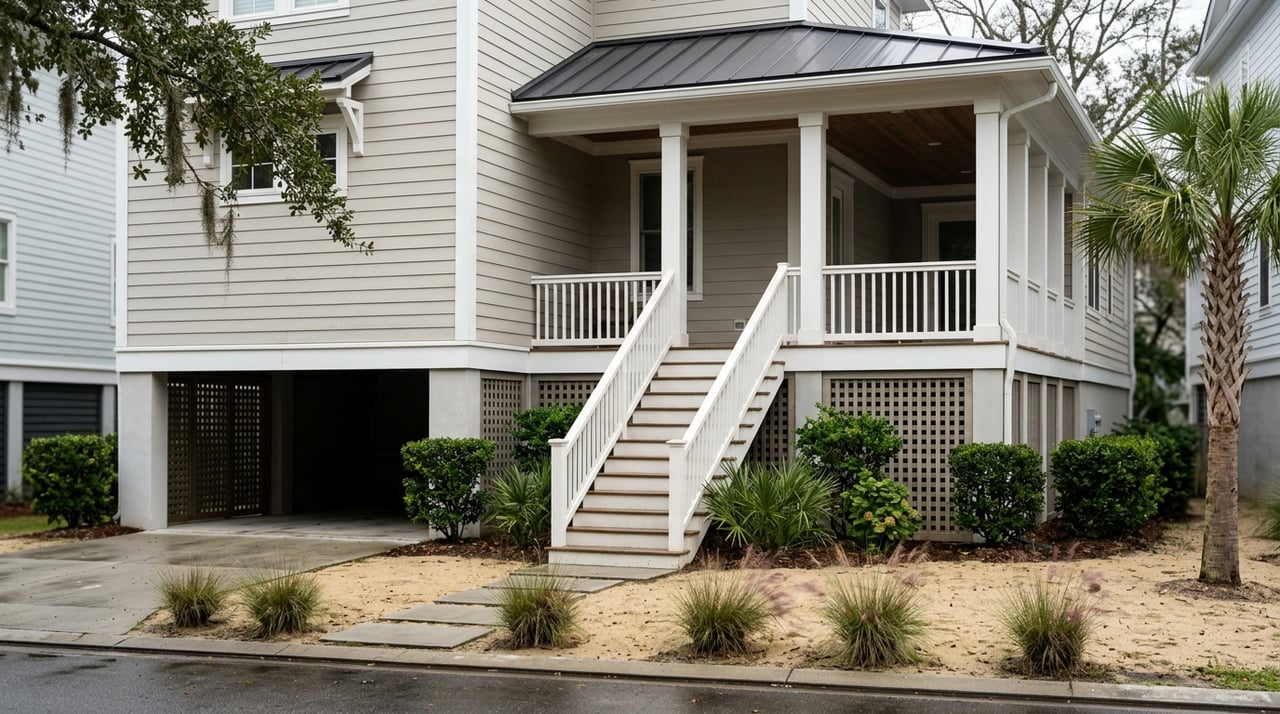
Tybee Island is not a large suburban market with endless inventory. It is a compact barrier-island market about 17 miles east of downtown Savannah, and that smaller footprint shapes both pricing and availability.
At the time of research, listing snapshots showed roughly 127 to 151 homes for sale, depending on the source and date. Median asking prices were running around $699,500 to $750,000, while Redfin’s March 2026 snapshot placed the median sale price at $775,000.
Days on market were also longer than many buyers expect in a beach market, with median figures around 119 to 135 days. That means you may see homes sit longer than they would in some inland markets, but that does not always mean a property is simple to evaluate or negotiate.
Tybee offers a mix of property types rather than one dominant style of housing. Current listing snapshots showed single-family homes, condos, waterfront properties, and land or lot listings.
In broad terms, condos were appearing from the high $200,000s into the mid $600,000s. Single-family homes commonly ranged from the mid $500,000s to the mid $700,000s, while premium waterfront homes could reach into the low $3 millions.
For many buyers, that range creates opportunity. You may be deciding between a lower-maintenance condo, a full-time residence with more space, or a waterfront property with a different level of cost and due diligence.
On Tybee Island, flood risk is not a side note. The city describes the island as low-lying, with elevations ranging from sea level to about 18 feet, and identifies nine repetitive-loss areas that are vulnerable to high-tide flooding, storm surge, and drainage-system flooding.
The city also notes that tidal flooding is the most frequent cause. Add in a rainy season from June through August, and it becomes clear why flood planning should be one of your first conversations, not one of your last.
Before you get too far into the purchase process, it helps to gather a few key facts about the property:
Tybee’s NFIP information says residences and businesses with federally backed loans are required to carry flood insurance, and FEMA notes that A and V flood zones require it. FEMA also states there is no true no-risk zone, which matters even if a home is outside the highest-risk categories.
Tybee specifically recommends checking elevation through a surveyor, the Emergency Management office, or the Zoning Department. The city also keeps flood-elevation certificates on file for some addresses.
That can be a very useful starting point when you are comparing homes. Two properties with similar views and similar asking prices can carry very different flood-related costs and risk profiles based on elevation and site conditions.
Many buyers focus first on price, taxes, and mortgage payment. On Tybee, insurance deserves equal attention because it can significantly affect your monthly housing cost and your comfort level with the purchase.
Flood insurance may be required depending on the loan and flood zone, but even when it is not strictly required, it can still be an important part of your risk planning. The smartest move is to request insurance quotes early, while you still have room to compare options and reassess the numbers.
If you are buying from out of town, this step is especially important. Coastal properties often look similar online, but the cost to own them can vary quite a bit once flood exposure and elevation enter the picture.
Many buyers look at Tybee and immediately wonder about vacation-rental income. That is understandable in a beach destination, but the city regulates short-term rentals closely, so you should never assume a property can be used that way just because it has been rented in the past.
The city defines a short-term rental as a stay of less than 30 consecutive days. It requires a short-term rental certificate, and those certificates run from January 1 through December 31. The city also requires a 7% local occupational room tax with monthly returns.
Tybee’s FAQ states that no new short-term rentals are allowed in residential zoning districts R-1, R-1-B, and R-2, with a limited exception for some properties with earlier building permits. That one rule alone can change the value and intended use of a property for an investment-minded buyer.
The city also says that properly permitted short-term rentals in those residential zones may continue as nonconforming uses, but the permits are not transferable when the property changes hands in residential districts. In plain terms, a seller’s past use does not usually mean you can continue that same use after closing.
Even when a property is eligible, compliance does not stop with the certificate. Tybee’s short-term rental guidance also points owners to local ordinances related to beach rules, noise, trash, and disorderly-house standards.
That means you should evaluate rental potential with a full compliance mindset. Permit status, zoning, ownership transfer rules, and day-to-day operating requirements all matter.
If you are buying with plans to expand, rebuild, update the exterior, or make major changes, zoning review is essential. Tybee’s Planning and Zoning guidance makes clear that the city’s Land Development Code and zoning map regulate land use and development across the island.
This matters for much more than ground-up construction. Lot-specific zoning checks can affect additions, teardowns, rebuilds, and major exterior changes.
Some Tybee properties may also fall within areas where historic preservation review matters. The city identifies multiple historic districts, including the Strand Cottages, Back River, and Fort Screven districts, and the Historic Preservation Commission works with city departments to preserve the island’s historic fabric.
For buyers, that does not mean a historic property is off-limits. It simply means you should confirm early whether your renovation goals may require extra review or approvals.
Owning on Tybee is as much about lifestyle as it is about square footage. The island is a major tourism destination, and the city reports that summer daytime population can exceed 30,000.
That seasonal rhythm affects traffic, beach activity, and the feel of daily life. If you are buying for full-time living, second-home use, or a part-time retreat, it helps to picture what the island feels like in both busy and quieter seasons.
The city identifies June through August as the rainy season, and NOAA states that Atlantic hurricane season runs from June 1 through November 30. Storms can also occur outside that window, so buyers should think in terms of year-round preparedness rather than a single season.
Tybee’s Ocean Rescue program provides seasonal lifeguard services from April through September. That is useful context if beach access and seasonal routines are part of why you are moving here.
Tybee’s beaches are federally protected wildlife habitats with endangered sea turtles and nesting shorebirds. That means beach rules and conservation measures are part of everyday ownership and recreation on the island.
For many buyers, that is part of Tybee’s appeal. It reflects the reality that living on a barrier island comes with both benefits and responsibilities.
On Tybee, a good home search is not just about finding a pretty view or the right porch. It is about matching the property to your goals while checking the local details that can affect cost, use, and long-term enjoyment.
A practical buying strategy often includes these steps:
That kind of preparation can help you avoid expensive surprises. It also gives you more confidence when the right property comes along.
Buying on Tybee Island can be incredibly rewarding, especially if you want a home connected to the water, the beach, and the distinct pace of coastal Georgia. The key is to approach the process with clear expectations and local guidance so the property you choose truly fits the life you want to build. When you are ready for thoughtful, island-savvy support, Rebecca Palmer Realty can help you navigate the details with care.
Stay up to date on the latest real estate trends.


Rebecca Palmer offers the value of southern charm, dependability, trustworthiness, loyalty, and friendliness. In this charming region, whether you're buying or selling, you've found the ideal partner. Together, we can transform your real estate dreams into reality!

Rebecca Palmer Realty
7025 Hodgson Memorial Dr Savannah, GA 31406