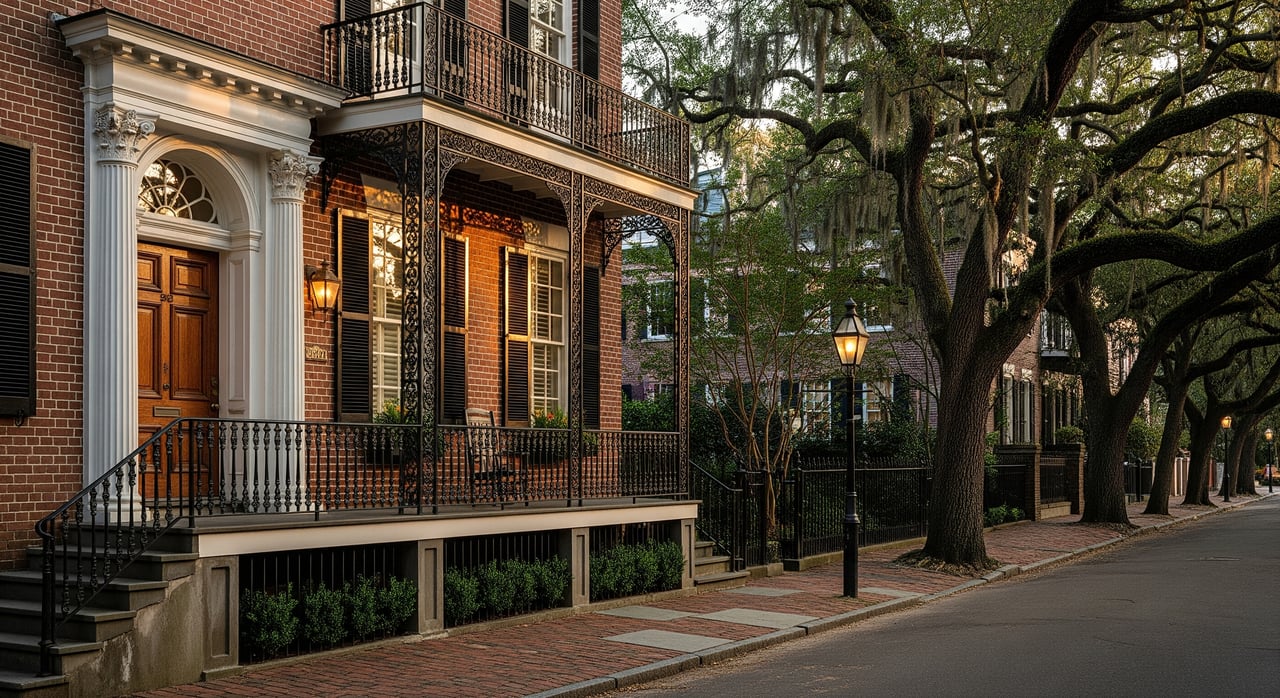
Practical Guide to Buying a Historic Home in Savannah
January 1, 2026
January 1, 2026
Dreaming of a brick rowhouse off a live oak–lined square, or a sunlit condo in a storied warehouse by the river? Buying in Savannah’s Historic District is rewarding, but it comes with unique rules, inspections, and renovation realities that can surprise even seasoned buyers. You want character and comfort without costly missteps. This guide gives you clear steps for approvals, inspections, financing and insurance considerations, and ownership choices so you can plan with confidence. Let’s dive in.
Savannah’s core is a National Historic Landmark District and includes several locally designated historic districts and overlay zones. Day-to-day, local rules matter most. The City of Savannah, through preservation staff and the Historic District Board of Review, oversees exterior changes visible from the street.
Several authorities can influence your project. City preservation staff and the review board apply local design guidelines and the preservation ordinance. State reviewers get involved when you pursue state or federal incentives. Federal standards apply when federal funding or tax credits are used. Local nonprofits, like Historic Savannah Foundation, are strong advocates and helpful technical resources.
The takeaway: expect a local design-review step for exterior changes, and coordinate early if you plan to use state or federal incentives.
Exterior work that is visible from a public right of way usually needs a Certificate of Appropriateness. That can include demolition, additions, porch, roof and window changes, storefront alterations, fences, and some signage. Interior changes are generally not regulated by the historic board, but building permits and code requirements still apply.
Private restrictions can also matter. Preservation easements, deed covenants, and HOA or condo rules can add another layer of review. These run with the property and remain after a sale.
Practical steps:
Most exterior projects start with a clear scope, photos, and measured drawings. The review board looks for compatibility with the historic character, retention of original features where feasible, and minimal visual impact on the streetscape.
Typical steps:
Tips to avoid delays:
Savannah’s historic homes and rowhouses often include wood-frame or brick construction, plaster interiors, historic masonry, and ironwork. Typical wear includes deferred maintenance on roofs and drainage, wood rot and termite activity, aging electrical and plumbing, and localized foundation settlement. Older buildings may contain lead-based paint and, in some cases, asbestos in insulation or mastics.
These conditions are common and manageable when you plan for them. The key is to inspect thoroughly and build in time and budget for specialized work.
Go beyond a standard home inspection with a team that understands historic fabric:
Historic repairs often favor retention and repair over replacement. That approach can increase unit costs because it relies on skilled craft labor and appropriate materials. Matching historic materials, such as bricks, lime mortar, or period roofing, may be required or encouraged and can raise costs.
Bringing systems up to current code can also cascade. For example, electrical upgrades may require opening walls and coordinating insulation and finish repairs. Specialized contractors can be in high demand, so book early.
Smart planning:
Most owner-occupants use standard mortgage products, but underwriting for older homes focuses on condition and appraisals. If you anticipate major work, consider renovation loans like FHA 203(k), Fannie Mae HomeStyle Renovation, or a private rehab or construction loan. Lender familiarity with historic properties varies, so choose partners who understand older homes.
Insurance can be higher for historic properties because replacement costs reflect specialty materials and skilled labor. Ask about code-upgrade or law-and-ordinance coverage, and whether your policy covers replacement in like kind and quality. Parts of the Historic District are in FEMA flood zones. If you finance through a regulated lender and the home is in a flood zone, flood insurance may be required.
Incentives exist for income-producing historic rehabilitations. The Federal Historic Rehabilitation Tax Credit offers a 20 percent credit for certified rehabilitation of income-producing historic buildings that follow the Secretary of the Interior’s Standards. State-level programs vary by year. If you plan to use credits, coordinate with the state historic preservation office and the National Park Service before starting work.
You will find a mix of rowhouses, condominium conversions, and detached homes near the squares. Each has distinct responsibilities and review processes.
Condominiums:
Townhomes and single-family:
Choose based on your lifestyle. Condos can suit second-home owners who want less exterior responsibility. Townhomes often appeal if you want full control and more privacy. In every case, historic character is the draw, with a tradeoff of more careful maintenance.
Use this list to surface issues early and avoid surprises:
A realistic timeline reduces stress and budget creep. Start by mapping three parallel tracks: due diligence, design and approvals, and contractor scheduling. Pre-application conversations with City staff can clarify expectations, which helps you submit a strong COA package the first time. As you line up bids, confirm that contractors have historic experience and availability that aligns with your target start date.
Good signals of readiness include clear drawings, material selections, an agreed scope and budget, and a plan to address code upgrades. When your approvals and permits are in hand, you can start with confidence and fewer change orders.
Buying a historic home in Savannah is about stewardship and lifestyle. With the right prep, you can enjoy original windows that glide, plaster that feels cool to the touch, and ironwork that frames your porch mornings. If you want help navigating rules, inspections, and timelines, reach out for local guidance tailored to your goals. Start your Lowcountry home search with Rebecca Palmer Realty.
Stay up to date on the latest real estate trends.
Rebecca Palmer offers the value of southern charm, dependability, trustworthiness, loyalty, and friendliness. In this charming region, whether you're buying or selling, you've found the ideal partner. Together, we can transform your real estate dreams into reality!

Rebecca Palmer Realty
7025 Hodgson Memorial Dr Savannah, GA 31406