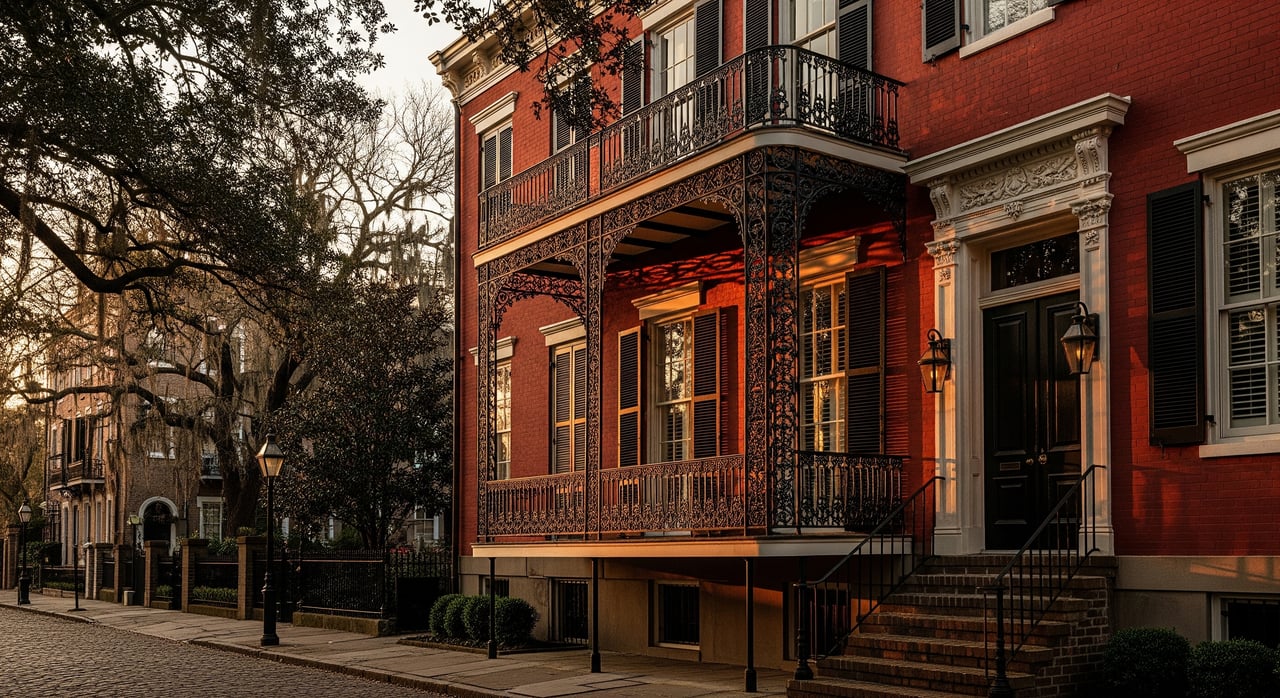
Savannah’s Historic Preservation Review, Explained
January 15, 2026
January 15, 2026
Thinking about repairing a porch, swapping windows, or adding a fence on a Savannah Historic District home? You are smart to ask how the preservation review works before you start. With a little planning, you can protect your home’s character and keep your project on schedule. This guide explains who reviews what, when you need a Certificate of Appropriateness, how long it takes, and how to set your project up for success. Let’s dive in.
The City of Savannah’s Historic Preservation program regulates exterior changes within the locally designated North and South Historic Districts. The Historic District Board of Review, along with City Historic Preservation staff, administers that review. The key trigger is visibility from a public right of way.
If your work changes the exterior appearance and can be seen from the street or sidewalk, you likely need review. This includes additions, demolition, new construction, porches, fences and site features, storefronts and signs, window or door replacements, roofing, mechanical equipment that is visible, and sometimes paint color changes on prominent facades.
Local review is separate from state or federal programs. If you are pursuing state or federal tax credits, your project must also meet the Secretary of the Interior’s Standards. Local guidelines are closely aligned, which helps you plan one coherent scope.
The basic rule is simple. You must obtain a Certificate of Appropriateness, called a COA, before starting regulated exterior work. Starting work without approval can lead to stop work orders, penalties, and costly corrective measures.
A COA does not replace construction permits. After you receive a COA, you still apply for building, electrical, plumbing, or other permits as needed.
There are two primary pathways for COA review.
If you are unsure which path applies, schedule a pre application consultation with City staff. This quick conversation can confirm the likely route and the documentation you will need.
A clear, complete application keeps your project moving. Most submittals include:
Board reviews follow a public process. Your proposal is included in the HDBR packet, posted for public view, and heard at a scheduled meeting. The Board may approve, approve with conditions, deny, or defer for more information. Post approval changes may need an amendment or staff sign off.
Savannah applies local design guidelines that reference the Secretary of the Interior’s Standards for Rehabilitation. In practice, reviewers look for compatibility, repair over replacement, and thoughtful placement of new elements.
Key principles you should expect:
Window projects receive close scrutiny. Full removal of historic sashes or changes to openings are often discouraged. Reviewers favor repair, weather sealing, or custom replacements that match original profiles and muntin patterns.
Porch repairs and structural work should match historic profiles and details when original elements are documented. Changes to roof pitch, cornice lines, or the use of highly visible modern roofing can be problematic.
Visibility matters. Additions set to the rear and designed to read as compatible, not dominant, tend to fare better. For new construction, scale, setbacks, materials, and the rhythm of openings are evaluated for overall compatibility.
Rooftop or wall mounted equipment visible from the street usually needs screening or relocation out of public view. Plan for this early so it does not delay your approval.
Build a realistic schedule that includes review time.
A typical Board level COA can take 4 to 12 weeks from submission to decision. Complex projects, appeals, or major redesigns can take longer. After COA issuance, permit review adds additional time.
The City charges application fees for COAs, with separate fees for demolition, appeals, and building permits. Fee schedules can change, so confirm current amounts with City staff. Many COAs expire if work does not begin within a set period, and extensions are often available by formal request.
Starting regulated work without a COA can result in stop work orders, fines, and required corrective work. Those fixes can be more expensive and time consuming than getting approval up front.
If you are still shopping for a home, plan ahead so you understand what is feasible on a given property.
Set your project up for a smoother review with this sequence:
Meet with City staff to clarify requirements and whether your scope can be handled administratively.
Prepare a complete packet. Include photos, drawings, materials, product data, and any historic documentation.
Submit and respond quickly to staff requests for additional information.
Obtain the COA by staff approval or at the HDBR meeting. Plan to attend if your item is on the agenda.
Apply for building permits after the COA is issued. Coordinate the construction schedule with permit timing and any COA conditions.
Choose professionals who know Savannah’s historic standards. Preservation experienced architects and contractors can craft details that meet local expectations and avoid delays. Local nonprofits can be a resource for historic photos and best practices. If you plan to pursue tax credits, coordinate your COA strategy with state and federal approvals.
If you want help aligning your renovation plans with Savannah’s review process, you are not alone. A little guidance upfront can save months on the back end. For local insight on timelines, referrals to preservation minded pros, and a property strategy that fits your goals, reach out to Rebecca Palmer Realty.
Stay up to date on the latest real estate trends.
Rebecca Palmer offers the value of southern charm, dependability, trustworthiness, loyalty, and friendliness. In this charming region, whether you're buying or selling, you've found the ideal partner. Together, we can transform your real estate dreams into reality!

Rebecca Palmer Realty
7025 Hodgson Memorial Dr Savannah, GA 31406