Savannah Historic District Living: What to Expect Day to Day
February 5, 2026
February 5, 2026
Imagine stepping out your front door into the dappled shade of a live oak, grabbing coffee on the corner, and strolling past ornate ironwork and brick town homes to a leafy square. If you’ve thought about living in Savannah’s Historic District, you’re picturing this kind of day. You also may be wondering about parking, tourists, renovation rules, and flood insurance. This guide breaks down the real, day-to-day experience so you can decide if the Historic District fits your lifestyle and your plans. Let’s dive in.
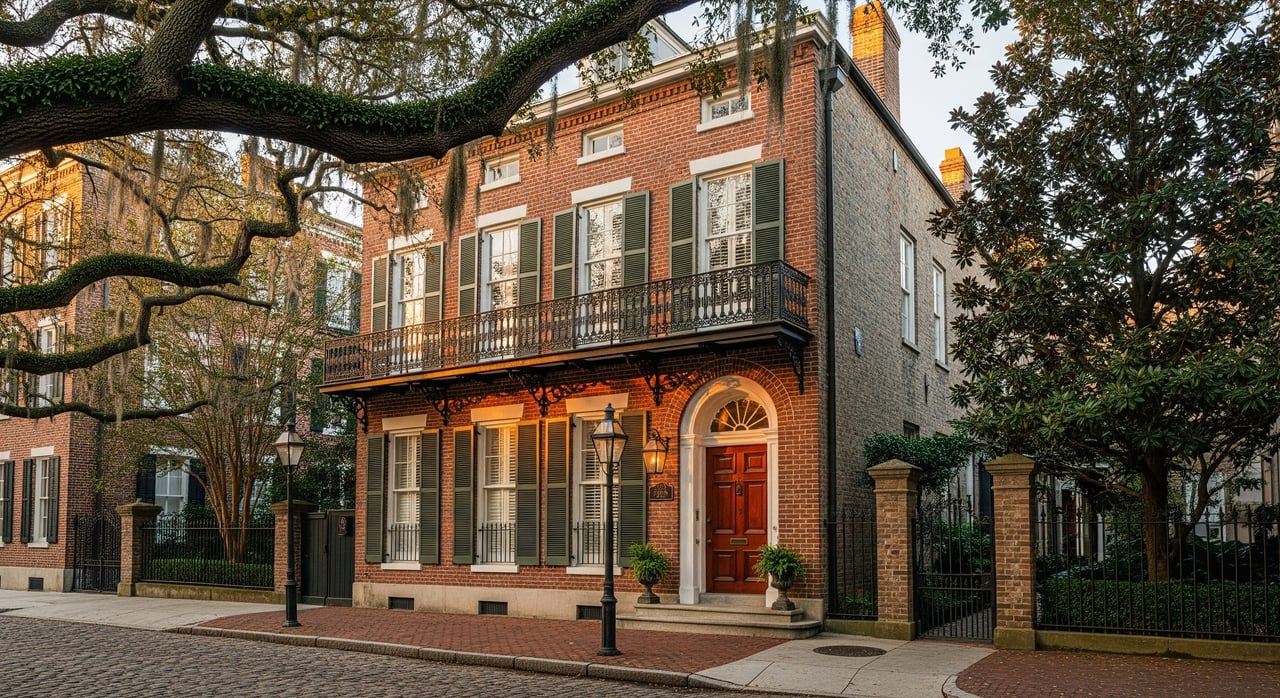
Savannah’s Historic District is one of the most walkable and architecturally rich neighborhoods in the Southeast. It is nationally recognized as both a National Register district and a National Historic Landmark. The heart of the plan is a grid of streets organized around 22 historic public squares.
River Street and the riverfront, City Market, and Forsyth Park anchor the area. You’ll find a blend of residential blocks, restaurants, galleries, museums, and small businesses. The district is compact, which makes it easy to enjoy parks and culture without long drives.
You’ll share the neighborhood with a mix of long-term residents, professionals who work downtown, retirees, and second-home owners. Some properties are primary residences, while others are used as second homes or income-producing rentals where allowed by zoning and short-term rental rules. The mix of uses gives the area a lively feel during the day and into the evening.
Compared to many Savannah neighborhoods, the Historic District offers exceptional walkability and direct access to dining, arts, and the riverfront. In exchange, you should expect more tourist activity, event crowds, and tighter parking. Older homes here often carry higher maintenance needs than newer homes in outlying neighborhoods, and exterior changes follow preservation guidelines.
The housing stock includes:
Architecture ranges from Georgian and Federal to Greek Revival and Victorian, with Italianate and Queen Anne details in some pockets. Interiors often feature high ceilings, tall windows, original heart pine floors, plaster walls, fireplaces, and narrow staircases. Many houses sit on raised foundations or have raised basements, which affects storage, moisture management, and mechanical access.
Many homes have updated HVAC and plumbing, but older systems still pop up in inspections. Common issues include outdated wiring, aging plumbing, moisture or mold in low areas, foundation settlement on old piers, termite damage, and wood rot. Historic masonry may need repointing with period-appropriate materials. If you’re planning a renovation, budget for insulation upgrades and modern electrical capacity for today’s appliances and tech.
You can often run daily errands on foot or by bike. Groceries, coffee shops, parks, and galleries are typically within a short walk, with Forsyth Park serving as a major green space for exercise and community events. Many residents plan their routines around the squares, using them as natural landmarks and rest stops.
Chatham Area Transit serves the downtown area, and the compact street grid supports walking and biking. Ride-hailing services and local shuttles are easy to access. Many residents own cars, but a car can be optional if your lifestyle and work align with downtown living.
Parking is the biggest adjustment for many new residents. Street spaces are limited, and meters or time limits are common in busy zones. Many historic properties do not include garages or driveways. If off-street parking matters to you, confirm whether a property has a deeded space, a rear-access easement, or a private lot nearby. If not, research resident permit options, nearby garages, and the cost of monthly parking.
Lively nightlife corridors near River Street and City Market create late-night activity. Festivals and seasonal events can increase crowds and traffic. St. Patrick’s Day week is the most impactful, with large crowds, active policing, and extended hours of noise. The experience is very block specific. One block can feel festive and busy, while a quieter square feels residential. If peace and quiet matters, preview the property at different times and days.
Exterior changes visible from the street typically require approval through the City’s historic-preservation review process. This can apply to windows, roofing materials, porch details, additions, and demolitions. Interior work usually faces fewer restrictions unless a preservation easement or specific local rules apply. Plan for design review, contractor bids that reflect period-appropriate materials, and added time for permits.
Parts of the district allow commercial or short-term rental uses, while other areas are more restricted. Rules have evolved over time and can change. If you plan to operate a short-term rental or mixed use, verify current zoning and licensing requirements with the City before you buy.
Some blocks are low-lying and can be affected by tidal flooding, heavy rain, or storm surge during hurricanes. Certain properties fall within FEMA flood zones. Many owners carry flood insurance and wind or hurricane coverage, which adds to annual costs. Ask for elevation certificates, check prior flood claims, and discuss mitigation strategies with an insurance professional familiar with Savannah.
Historic homes need consistent care. Expect periodic masonry repointing, wood repair and painting, roof work, termite treatment, and system upgrades. Contractors skilled in historic materials may cost more and have longer lead times. Build maintenance reserves into your budget and plan ahead for specialized trades.
Federal historic rehabilitation tax credits can apply to income-producing properties that meet strict standards. Eligibility is specific and typically does not extend to owner-occupied primary residences. If you’re considering a qualifying project, consult a tax advisor and the State Historic Preservation Office.
Use this quick list to focus your due diligence:
Navigating a historic purchase is part art, part process. You get clear guidance on preservation rules, vendor referrals for historic inspections, and practical advice on flood and insurance. We help you evaluate parking options, noise exposure by block, and the true cost of ownership so your decision aligns with your lifestyle.
As a boutique, concierge-style practice focused on Savannah’s historic and coastal properties, we combine local knowledge with professional presentation and modern tools. If you’re selling later, you’ll benefit from high-quality photography and virtual tours that reach seasonal and out-of-area buyers. If you’re buying now, you’ll receive attentive, place-first advice that puts your goals at the center.
Ready to find your spot by a favorite square or near Forsyth Park? Reach out to Rebecca Palmer Realty to explore what’s available and how to move forward with confidence.
Stay up to date on the latest real estate trends.
Rebecca Palmer offers the value of southern charm, dependability, trustworthiness, loyalty, and friendliness. In this charming region, whether you're buying or selling, you've found the ideal partner. Together, we can transform your real estate dreams into reality!

Rebecca Palmer Realty
7025 Hodgson Memorial Dr Savannah, GA 31406