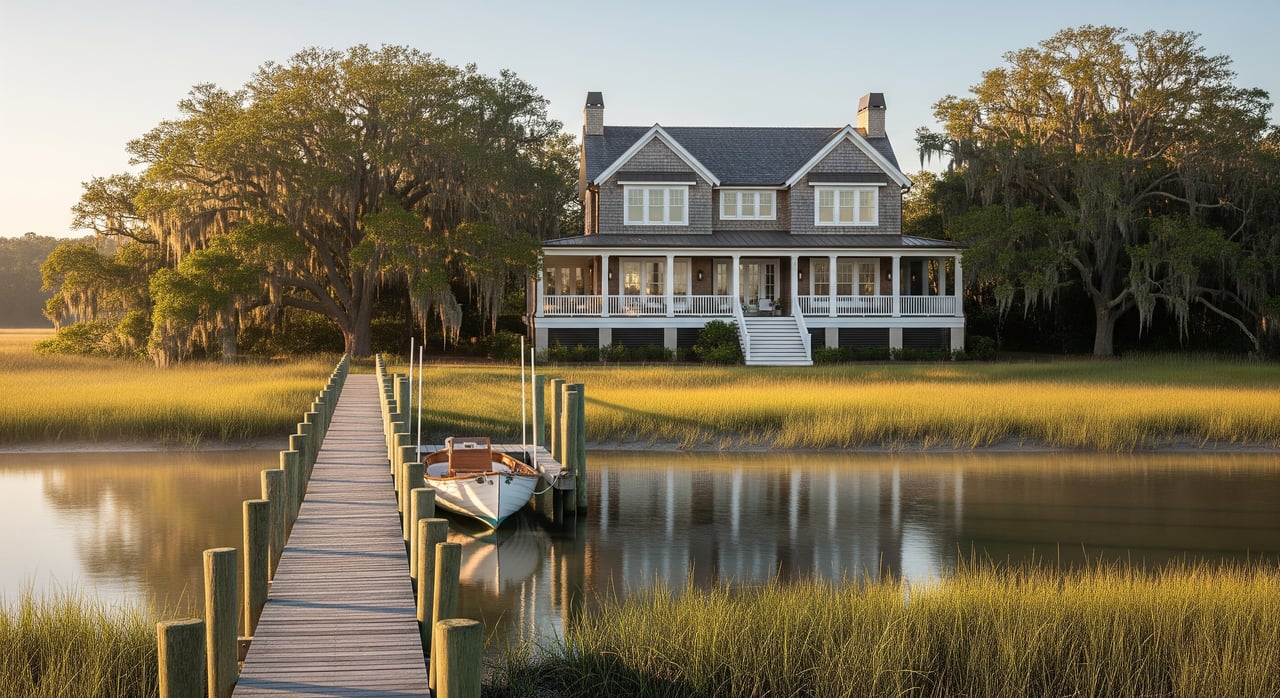
Hampton Island GA Living Guide for Discerning Buyers
December 18, 2025
December 18, 2025
What if your morning coffee came with a chorus of wading birds and long views over golden marsh? If you are exploring a second home or a quiet primary residence along Georgia’s coast, Hampton Island near Riceboro offers the kind of Lowcountry setting that helps you slow down and breathe. You want privacy, natural beauty, and a practical plan for ownership in a gated coastal community. In this guide, you will learn what life feels like on the island, what to verify about amenities and membership, and the key steps to touring and buying with confidence. Let’s dive in.
Hampton Island sits in Liberty County near Riceboro, surrounded by tidal creeks and expansive salt marsh. The setting prioritizes seclusion and water-centered living, with access to regional hubs in coastal Georgia. You are within reach of Savannah and other nearby towns for dining, shopping, and travel. Think of it as a nature-forward base with city conveniences a drive away.
If you value quiet and space, you will appreciate the island’s private, gated feel and generous buffers of marsh and woods. Days tend to follow the tides and the light, with sunsets that turn the marsh a coppery gold. Expect to see egrets, herons, and deer, and keep an eye on the creeks for dolphin sightings. Night skies are darker than in town, which makes evenings on a screened porch a simple pleasure.
Boating, fishing, and paddling are central to the Lowcountry lifestyle. Ask about community docks, any marina facilities, and the nature of intracoastal access from Hampton Island’s creeks. Verify navigable depths, slip availability, and any policies on boat storage before you buy. If you plan to fish or crab, confirm local regulations and typical seasonal patterns.
Many buyers ask about equestrian options and trail access. Confirm whether on-island stables or riding trails are available, and whether trails are private to residents or club members. If golf is part of your daily rhythm, verify whether a course exists on the island and whether access is public, residents-only, or tied to club membership. These details change, so get current information from the club or management team.
Most private coastal communities organize social life around a clubhouse or gathering space. Ask for current details on dining options, fitness or pool facilities, and seasonal events. Clarify whether membership is required for residents, optional, or offered in tiers that include golf, marina, equestrian, or social access. If you want to experience the rhythm of the community, request a guest or trial visit policy for non-members.
For many owners, on-island services make daily life easier. Confirm what the community provides, such as gate security, landscaping or roadside maintenance, trash and recycling schedules, and any concierge support. Ask whether contractors and deliveries need pre-approval and how visitors are registered at the gate. Understanding access procedures will help you plan for guests and service providers.
Expect to handle most shopping and appointments off-island. Identify the nearest full-service grocery stores, pharmacies, and urgent care or hospital options in surrounding towns and in the Savannah area. If you split time between homes, consider setting up local pharmacy transfers and noting after-hours urgent care choices. Keep a list of regional hospital contacts with your household documents.
If school access matters to you, review Liberty County School System attendance zones for the island’s address. For private options, look at established schools across the region, including choices in Savannah. Use neutral, objective criteria to compare options, such as program offerings, commute patterns, and admissions timelines. Confirm bus routes or carpool practicality before you commit.
Reliable connectivity is essential, especially for part-time residents who work remotely. Ask which internet providers serve the island and whether cable or fiber is available, along with typical speed tiers. Test cell coverage at the specific homes you tour and confirm options for boosters if needed. Clarify who maintains any community-wide telecom infrastructure and where utility lines run.
The Georgia Lowcountry brings hot, humid summers and mild winters that invite year-round porch time. Plan boating and riding around heat and afternoon storms in peak summer months. Spring and fall often deliver the most comfortable weather for outdoor activities. Keep insect management on your maintenance calendar, especially in warm, wet periods.
Coastal living requires thoughtful storm planning. Confirm your home’s FEMA flood zone, request any elevation certificates, and learn the island’s evacuation guidance from Liberty County emergency management. Review roof type, window protections, and whether standby power is practical for your home. Keep go-bags, insurance documentation, and a re-entry plan ready before hurricane season.
Salt, sun, and humidity shape property care in every coastal community. Expect more frequent exterior washing, paint or finish cycles, and HVAC servicing. Ask about preferred roof and siding materials and whether the community recommends specific exterior coatings. Budget for regular pest control and dock or bulkhead inspections if your property fronts the water.
Lowcountry island communities often feature marsh-front estates, wooded interior sites, and custom-home lots that take advantage of views and breezes. As you tour Hampton Island, verify the mix of lot types, any equestrian parcels, and whether cottages or carriage homes are offered. Confirm lot-size ranges and typical home square footage with current listings or the sales office. Ask about any neighborhood clusters or hamlets that organize homes by style or setting.
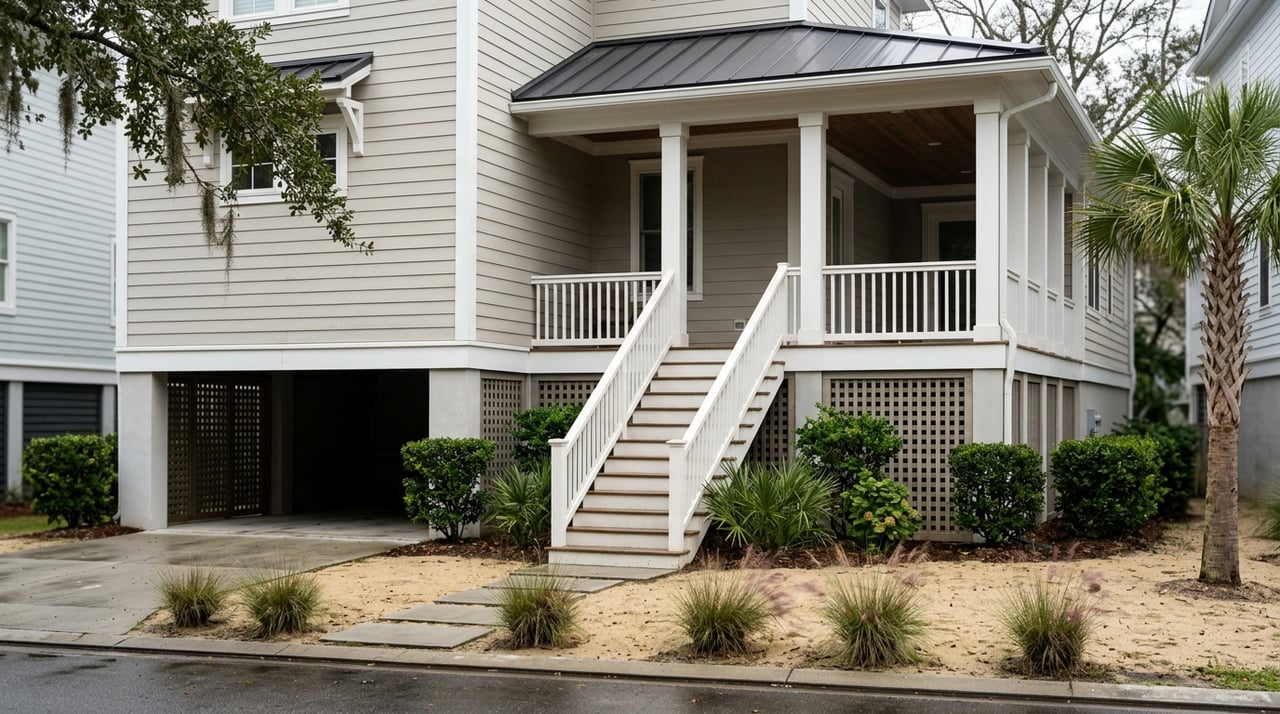
Classic Lowcountry style prizes livability in a coastal climate. Look for raised foundations, wide and screened porches, metal or composite roofs, and large windows that frame marsh and water scenes. Durable exterior materials and smart drainage are more than aesthetic choices in this climate. If you plan to build, ask about design guidelines that govern materials, colors, and height.
Most private islands maintain Covenants, Conditions and Restrictions that shape construction and renovation. Request the CC&Rs, any architectural guidelines, and a clear outline of the Architectural Review Board process. Confirm average review timelines, whether there is a preferred builder list, and how variances are handled. If renting is part of your plan, ask for written short-term and long-term leasing rules before you make an offer.
Confirm whether homes are on septic systems or a central sewer, and whether water is provided by the county or private wells. Ask how stormwater is managed and who is responsible for bulkhead or shoreline upkeep on waterfront parcels. Clarify whether utilities are buried or overhead and how power reliability is supported. These details affect build cost, insurance, and long-term maintenance.
Start with a local agent who understands gated coastal communities and can coordinate access. Expect to pre-register with the gate and follow visitor protocols for showings. Ask for a separate appointment to tour amenities, such as a clubhouse, dock facilities, or stables, if available. If a trial round of golf, a riding session, or guest dock use is important, request options for trial or guest access.
Before your visit, ask for the current HOA or POA budget, dues schedule, and reserve study. Request club membership categories and costs, including what each tier covers and whether residency requires membership. Obtain recent CC&Rs, architectural rules, and any community maps that show trails, docks, and common areas. If you are comparing multiple homes, organize a shared folder for documents and inspection notes.
Second homes and coastal properties can carry different underwriting standards. Some lenders request higher down payments or specific flood coverage conditions. Work with a mortgage professional who regularly finances island and waterfront homes. Get prequalified early so you can move quickly on the right property.
Check values and millage rates with the Liberty County assessor to estimate your annual property tax. Ask whether any special districts or assessments apply to your parcel. If you are relocating from out of state, compare homestead and exemption options with your tax advisor. Small differences can change your budget.
If rental income is part of your plan, verify the community’s leasing policy in writing. Some luxury communities restrict short-term rentals to protect privacy and quiet. Confirm any county permitting or lodging tax requirements with your accountant. Factor management fees, cleaning, and wear-and-tear into your pro forma.
Buying on a private island is different from a typical neighborhood purchase. Choose an agent who knows flood zones, coastal insurance, and gated access logistics, and who can coordinate with club, HOA, and county contacts. Ask for video walk-throughs and high-quality virtual tours if you are narrowing options from afar. Clear communication and organized document review will save you time and stress.
Coastal properties benefit from experienced inspectors. Consider a structural engineer for piling or dock structures, a marine surveyor for waterfront elements, and an arborist for large-lot tree health. Use HVAC and roofing contractors who work regularly in salt-air conditions. If you plan to add or modify a dock, talk with local permit offices and coastal resource regulators early.
Most Liberty County transactions can accommodate remote or hybrid closings. Confirm your title and escrow team’s process for e-signatures and document notarization. If you are coordinating from another time zone, build in extra time for wire transfers and recording. Keep all insurance binders and gate access details in a single post-closing checklist.
Choose Hampton Island if you want privacy, Lowcountry scenery, and a slower pace that keeps you close to the water. The island lifestyle rewards buyers who plan ahead for access, amenities, and coastal maintenance. With the right team and a clear due diligence checklist, you can make a confident decision that matches how you want to live. When you are ready to take the next step, a guided tour will bring the island’s rhythm to life.
If Hampton Island is on your shortlist, let a local guide make the process smooth from first call to closing. Reach out to Rebecca Palmer Realty to plan a tailored tour, request current HOA and club documents, and start your Lowcountry home search.
Stay up to date on the latest real estate trends.


Rebecca Palmer offers the value of southern charm, dependability, trustworthiness, loyalty, and friendliness. In this charming region, whether you're buying or selling, you've found the ideal partner. Together, we can transform your real estate dreams into reality!

Rebecca Palmer Realty
7025 Hodgson Memorial Dr Savannah, GA 31406