Savannah Real Estate Market Trends and What Drives Demand
November 21, 2025
November 21, 2025
What is pulling so many buyers toward Savannah right now? If you are watching prices and wondering whether to focus downtown or look west toward Pooler and beyond, you are not alone. The answer starts with jobs and migration, then turns to how much housing the city core can actually add. In this guide, you will learn the key demand drivers, why in-town supply stays tight, and how the city differs from nearby suburbs so you can plan the right move. Let’s dive in.
Savannah’s economy runs on real work that does not easily move elsewhere. The Port of Savannah anchors a deep logistics network with longshore, trucking, warehousing, and port services roles. When containers move and distribution grows, paychecks follow, and that steady base fuels demand for rentals and for-sale homes.
Those jobs cluster along the I-95 and I-16 corridors as companies tap highway and rail access. That pattern pulls many buyers and renters to West Chatham and nearby counties. It also supports a wide range of households, from first-time buyers looking for attainable options to move-up buyers seeking more space.
The takeaway for you: logistics growth adds durable demand, which supports pricing across Chatham County and into neighboring markets.
Gulfstream Aerospace and related maintenance, repair, and overhaul activity around Savannah/Hilton Head International Airport bring engineers, technicians, managers, and suppliers. These are often higher-paying positions that support owner-occupant demand and high-quality rentals.
For you as a buyer or seller, this means segments near the airport and along key commute routes can see faster absorption when new teams arrive. It also means neighborhoods with updated homes and strong renovation potential often draw interest from professionals who want quality finishes and minimal project lists.
Savannah attracts people from across Georgia and out of state. Relocating workers, retirees, second-home buyers, and remote professionals each have different wish lists. Some value walkable historic charm; others prioritize newer construction, garages, and easy highway access.
In-migration adds to baseline job-driven demand and can shift which neighborhoods are most competitive. It also influences which property types move fastest, from townhomes close to the core to larger single-family homes in west and south submarkets.
You have likely felt it: shopping inside the city often means fewer choices at each price point. Several structural issues keep supply limited in the core.
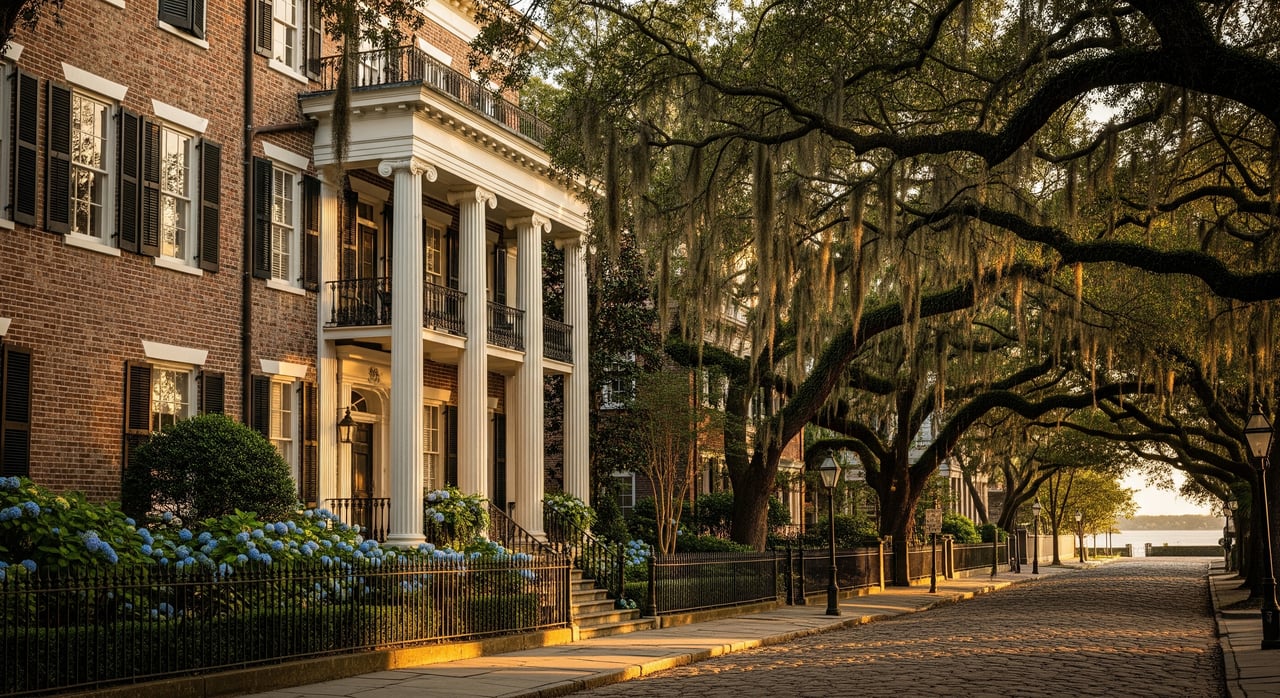
Savannah’s Historic District, Victorian District, and many in-town neighborhoods sit under preservation rules that protect character and limit demolition. There are also simply fewer vacant lots available. Builders can add some infill, but not at the scale of a suburban subdivision. When demand rises, fewer new listings and slower new construction push more buyers to compete for the same homes.
Savannah’s destination appeal supports strong short-term rental returns in select neighborhoods. Converting homes to short-term rentals can reduce the number of units available for long-term renting or for sale. Municipal policy conversations around short-term rentals also influence how much stock remains in the traditional housing market. For buyers and sellers, this means certain streets and blocks may feel especially tight at times.
Savannah’s core and its suburbs often move to different rhythms. Knowing the tradeoffs helps you shop with confidence.
Areas like Pooler and Bloomingdale in West Chatham, parts of Effingham and Bryan counties, and Richmond Hill often deliver more new single-family options. That extra capacity can moderate price growth compared with the historic core, even when countywide demand stays strong.
Market rhythm varies by micro-market. Use these guidelines to match your goals.
Every neighborhood has its own story. Here is a simple way to think about a few key areas when you are planning a search or sale.
Make a plan that fits the way this market works, not just how you hope it works.
Savannah’s housing market is shaped by real economic engines, steady in-migration, and tight in-town supply. The result is a city with strong demand and a core that cannot add new homes as quickly as interest arrives. Suburbs help absorb growth, offering newer homes and more space, often at a lower price per square foot.
If you want a strategy that accounts for flood and insurance realities, preservation rules, and the nuances of each micro-market, you deserve a guide who lives these details every day. Connect with the local, place-first perspective at Rebecca Palmer Realty to map your next move.
Stay up to date on the latest real estate trends.
Rebecca Palmer offers the value of southern charm, dependability, trustworthiness, loyalty, and friendliness. In this charming region, whether you're buying or selling, you've found the ideal partner. Together, we can transform your real estate dreams into reality!

Rebecca Palmer Realty
7025 Hodgson Memorial Dr Savannah, GA 31406